
If Trump Fires Fed's Powell, What Happens to Market?


Powell did not signal a rate cut at yesterday's event at the Chicago Economics Club. The most anxious person, of course, is Trump. The President, who has been toying with tariffs for over a month, was apparently furious at the Fed's decision not to lower rates, launching a series of attacks on Powell: "If I want, Fed Chair Powell will resign. I am not satisfied with him (Powell). I think Powell has not done a good job." "Powell is slow to react, slow to act." "Powell is playing politics; rates should be cut now." "The people at the Fed are not very smart, Powell is too bad." Powell is "someone I never really liked." Powell, on the other hand, staunchly defended the Fed's independence, rebuffed political interference, and stated that the Fed would make decisions based solely on what is best for the American people.
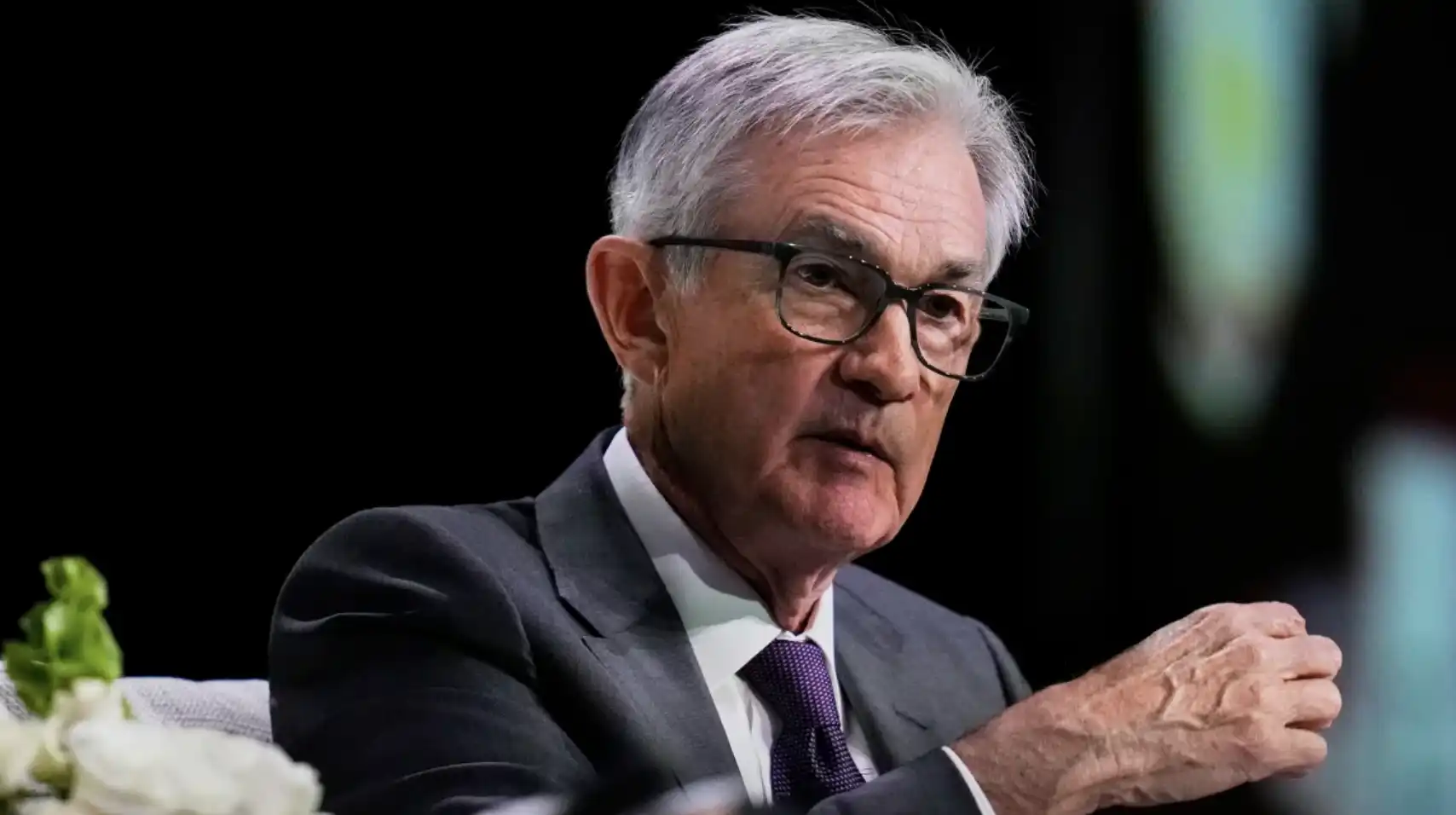
Trump Challenges Fed's Independence
Trump has never hidden his disappointment with Powell. On April 17, 2025, in the Oval Office, he told reporters, "If I want him to leave, believe me, he will leave soon!" He then took to Truth Social to once again urge Fed Chair Powell to cut rates, stating, "The European Central Bank is about to cut rates for the seventh time, while the Fed's 'forever late' Mr. Powell has once again messed up everything. Yesterday he threw out a typical jumbled report—oil prices are falling, food prices are dropping, even eggs are getting cheaper, and the U.S. is making a fortune through tariffs. This 'slowpoke' should have cut rates like the European Central Bank long ago, and now it is more urgent than ever. Powell's countdown to stepping down should be accelerated!"
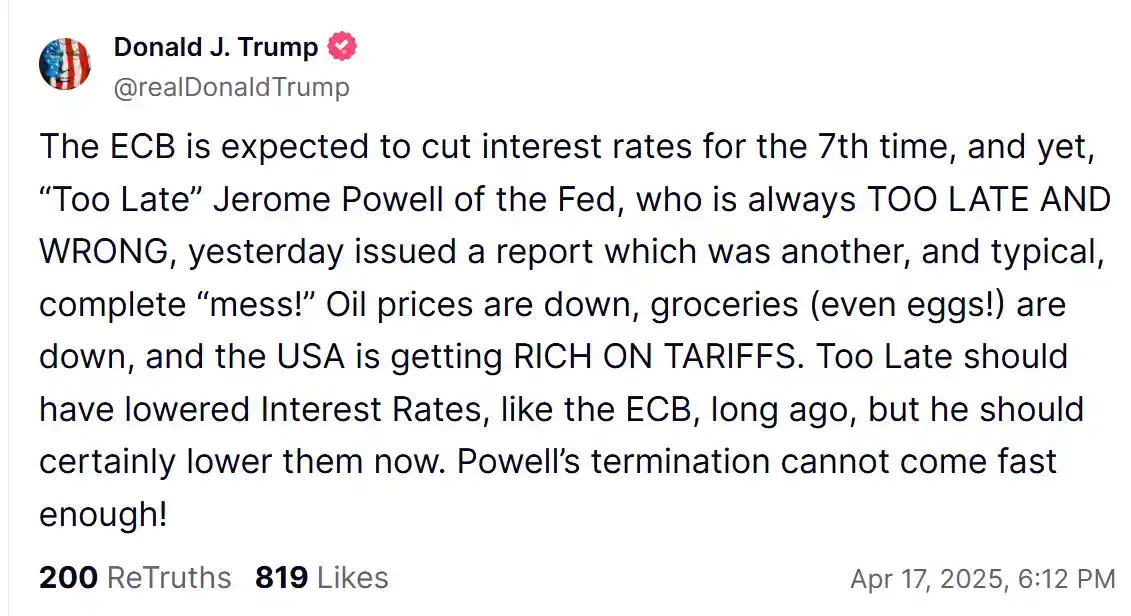
Trump's anger largely stems from Powell's "conservative" stance on monetary policy. He believes that Powell has failed to significantly cut rates in a timely manner, missing the window to stimulate economic growth. What further displeases Trump is that the Fed's high-rate policy conflicts with his tariff plan implemented after taking office. Trump's tariff policy aims to protect domestic industries but may raise prices of imported goods, thereby exacerbating inflationary pressures. The Yale University Budget Lab estimates that these tariffs equate to a $4,900 increase in the actual tax burden for each American household. Against this backdrop, Trump hopes the Fed will alleviate economic pressure through rate cuts to support his policies.
As for whether Trump wants to fire Powell, while he publicly told reporters that he "does not regret nominating Powell," clues may be gleaned from a WSJ report. Sources say Trump has privately discussed replacing Powell with former Fed Governor Kevin Warsh.
What are the obstacles to firing Powell?
Can Trump really "fire" Powell as he wishes? The answer is not simple.
According to the Federal Reserve Act, the Chair of the Fed and Board members can only be "removed for cause," which typically refers to misconduct, malfeasance, or incapacitation, rather than policy disagreements. Historically, no Fed Chair has ever been directly removed by a President, and this legal framework provides a solid safeguard for the Fed's independence. Powell himself is clear on this. In November 2024, when asked if he would resign if Trump asked him to, he unequivocally replied, "No."
Furthermore, Powell's term also provides him with protection. He was initially nominated by Trump to serve as Fed Chair in 2017, and re-nominated by Biden in 2022, with his chairmanship term running until May 2026. Brookings Senior Fellow Sarah Binder pointed out that courts generally do not view differences on interest rate setting as a "just cause," so if Trump were to forcibly remove Powell, he might face a legal challenge.
Even if legally permissible, firing Powell is also fraught with political risks. The Fed's independence is not just a legal issue but a cornerstone of market confidence. Binder warned that a President's attempt to oust Powell could increase market uncertainty, undermine public trust in the Fed, leading to significant stock and bond market volatility, and potentially affecting the cryptocurrency market. After all, despite its emphasis on "decentralization," the price of cryptocurrency is still heavily influenced by the macroeconomic environment and investor sentiment.
Trump's aggressive stance has even raised concerns among some who criticize Powell. Senior Democratic Senator Warren stated that undermining the Fed's independence could trigger a market collapse.
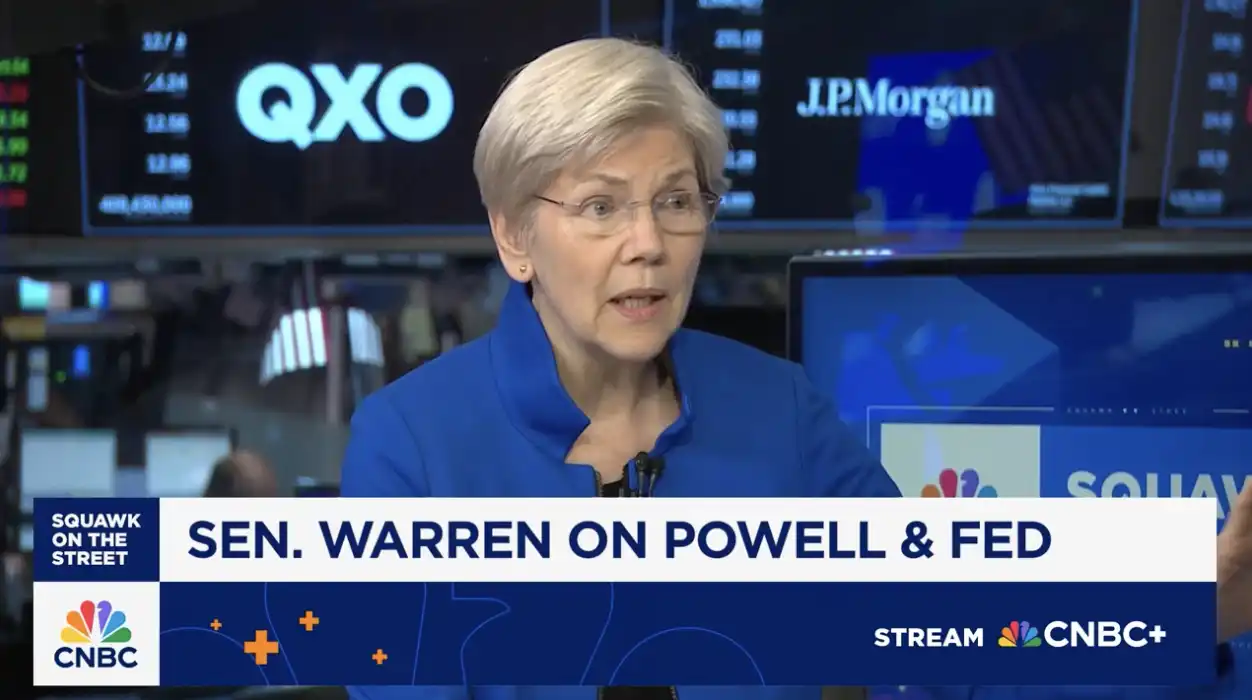
While there are two "protective shields" from the law and the market, this does not mean Powell's position is not under threat. The recent case being heard by the U.S. Supreme Court regarding presidential removal power of senior officials in independent agencies may provide Trump with a legal basis. Although the case is not about the Fed but the National Labor Relations Board and the Consumer Financial Protection Bureau, the ruling could set a precedent for expanding presidential power. Despite the precedent set by the 1935 case "Humphrey's Executor v. United States," which limited the President's ability to dismiss independent agency heads without cause, the current conservative-leaning Supreme Court may reconsider this ruling. If the Court leans towards expanding presidential power, Powell's position could indeed be in jeopardy.
Additionally, Powell's approval is not unassailable. Compared to Trump's first term, Powell is now facing more scrutiny. Some argue that the Fed's actions to curb inflation in 2022-2023 were too slow, leading to policy missteps. Allies within the White House believe that Trump's Thursday morning tweets were more about trying to disrupt Powell's position and portray him as a future "scapegoat for economic issues," which could weaken his public support and increase the risk of being replaced.
How Will It Impact the Crypto Market?
Perhaps firing Powell isn't the most crucial part. For Trump, this move seems to be aimed at pressuring the Fed to "turn on the taps" by making a significant interest rate cut to stimulate economic growth.
A rate cut usually means increased liquidity, a decrease in the purchasing power of the dollar, and rising inflation expectations. In this environment, cryptocurrency, especially Bitcoin, known as "digital gold," can attract fund inflows. Looking back at 2020, the Fed cut rates to near-zero to combat the pandemic, and the price of Bitcoin soared from under $10,000 to $67,000 by the end of 2021, hitting an all-time high. A similar scenario may unfold under Trump's pressure for rate cuts.
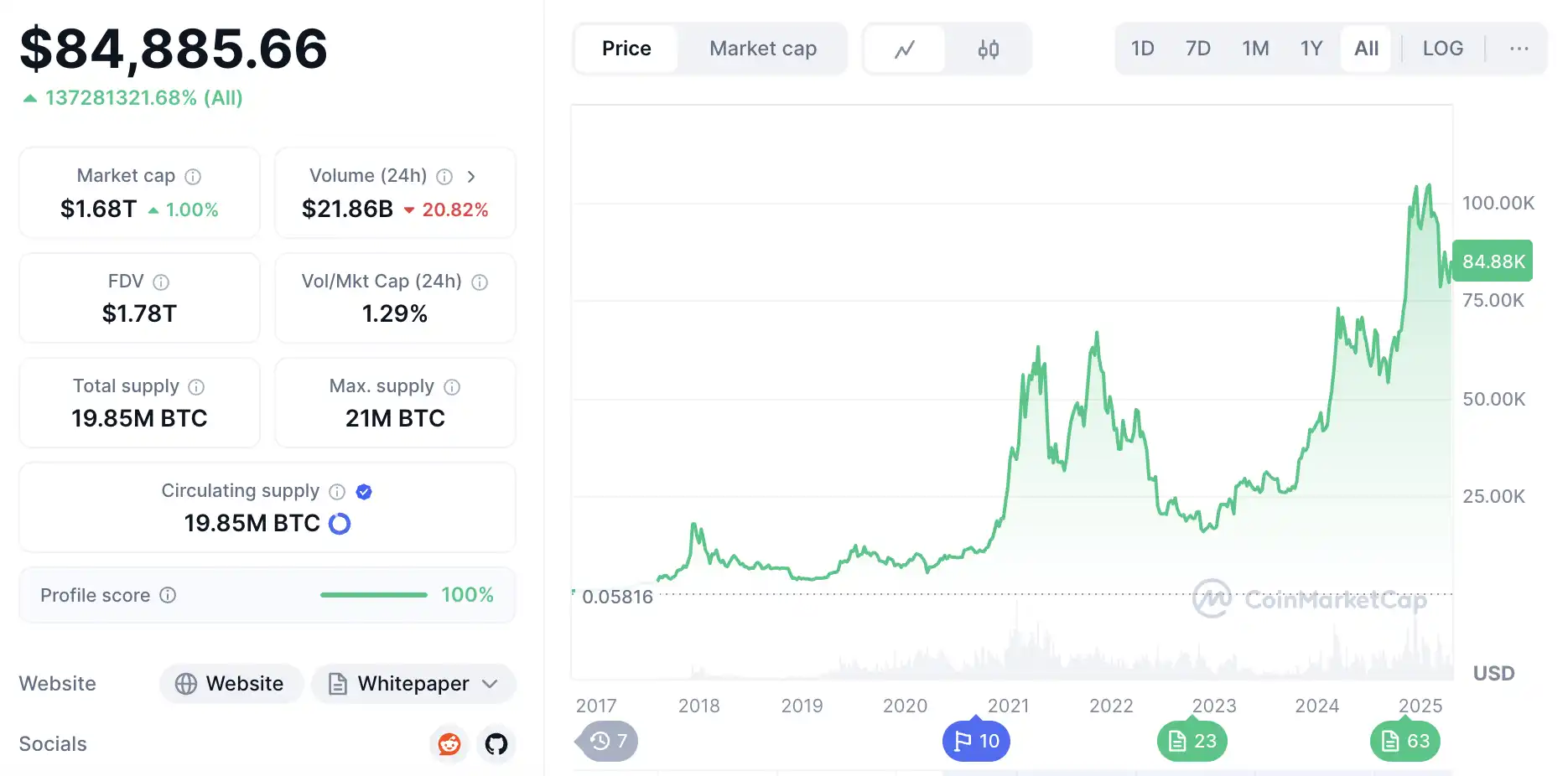
Furthermore, Trump's tariff policy could further drive up inflation. According to Powell's warning, tariffs could lead to price increases for imported goods, squeeze household budgets, and raise prices. Yale University's estimates show that the inflation effect of tariffs is equivalent to an additional $4,900 in real tax burden per household. Under inflationary pressures, investors may shift funds to mainstream cryptocurrencies like Bitcoin or even chase high-risk altcoins, sparking a bull market frenzy.
Looking further ahead, if the Fed succumbs to political pressure and loses its independence, the credibility of US monetary policy may be damaged. DeFi and blockchain technology act as a supplement to the flaws in the traditional financial system. If the Fed becomes politicized, it could accelerate investor disillusionment with the dollar system, driving funds into ecosystems like DeFi.
However, rate cuts are not a panacea. Powell warned in yesterday's speech at the Economic Club of Chicago that Trump's tariff policy could push the US economy into a state of "stagflation"—high inflation coexisting with economic slowdown. This situation would make the Fed's dual mandate (price stability and maximizing employment) exceptionally complicated.
In a stagflationary environment, the Fed may face a dilemma: stimulating the economy with rate cuts could exacerbate inflation, while maintaining high rates could suppress growth. For the cryptocurrency market, this means significant price fluctuations.
This game between Trump and Powell may ultimately evolve into a war of attrition with no winners, and the casualties will be market confidence and economic stability. History tells us that the cost of political interference is often borne by the wallets of ordinary investors and their grocery bills.
You may also like

Latest research from 13 top universities including Cornell University: The current state, challenges, and misconceptions of the fusion of Crypto and AI
Deconstructing Anthropic: The Best AI Company, Possibly Also a Type of Organizational Invention
Apollo and Blackstone Reportedly Back $35 Billion Anthropic Chip Financing as Deal Details Remain Unclear
On June 9, according to currently available news alerts, Apollo and Blackstone Group participated in a $35 billion financing for an Anthropic “chip project.” Based on the original wording of the report, the funding has already been raised, but public information remains limited. The financing structure, use of proceeds, project entity, and whether Apollo and Blackstone participated through equity, debt, or project financing have not yet been disclosed.

Humanity Protocol Security Incident Escalates: More Than $31 Million Stolen From Related Addresses as Attacker Continues Selling H for ETH
On June 9, according to monitoring by Onchain Lens, more than $31 million has been stolen from addresses linked to Humanity Protocol, and the attack is still ongoing, with the hacker continuously swapping H tokens for ETH. Project founder Terence Kwok later confirmed the security incident on X, saying the issue involved a private key leak.

Bloomberg: As Bitcoin Weakens, Stablecoins and RWA Continue to Drive Expansion in Crypto Businesses
In June, Bloomberg reported that despite Bitcoin falling below $60,000 last week, wiping out about $235 billion in market value within seven days, and dropping close to 50% from last year’s peak, some core businesses in the crypto industry are still expanding, mainly in stablecoins, real-world asset tokenization (RWA), payments, and infrastructure. The report also noted that overall altcoin activity has contracted significantly: altcoin market capitalization has fallen from a peak of about $431 billion in November 2021 to around $170 billion, and among the tens of millions of tokens issued in recent years, fewer than 1,700 still maintain meaningful trading activity.

Galaxy Deep Research Report: How Hyperliquid's HIP-4 Upgrade Changes the Landscape of Prediction Markets?
Binance Research: RWA Market Expected to Expand Nearly 6x from Early 2025, with Public Equities and Onchain Payments Heating Up Together
In June, Binance Research said in its monthly market report that the real-world asset (RWA) market is expected to grow by about 589% from the beginning of 2025. Bond- and money market fund-related RWA expanded by about $6.5 billion, up 83% year over year, while publicly traded equity RWAs grew by about 422%. The report also noted that monthly crypto debit card transaction volume exceeded $747 million in May, up 48.6% year to date.

Japan to Assess a Framework for Yen Stablecoins and Crypto ETFs as Asia’s Compliant Payments Narrative Heats Up
Recently, according to the original report, Japan is considering the launch of yen stablecoins and cryptocurrency ETFs. Public information remains limited at this stage, and there is still no complete policy text, regulatory draft, or clear implementation timeline, so this is better characterized as a “policy discussion” rather than formal implementation. The original wording also noted that advancing stablecoin regulation in Asia is driving XRP usage and supporting growth in the XRPL ecosystem. However, based on currently available public information, there is not enough evidence to directly establish a clear causal relationship between this round of discussion in Japan and XRP or XRPL.

ZachXBT: Humanity private key leak and abnormal surge in H token should be viewed separately
On June 9, according to related disclosures, on-chain investigator ZachXBT posted an update on Humanity’s roughly $31 million security incident, saying that after further analyzing fund flows, he currently tends to believe the project team was not involved in an “inside job” or a self-staged attack. According to him, the official explanation about the private key leak was broadly accurate, but before the token unlock, the price of H had been artificially pushed higher, and the hacker later took advantage of that market environment; therefore, the private key leak and the earlier abnormal price pumping should be regarded as two separate and independent events. This reframing has shifted the market’s understanding of the nature of the incident. Earlier discussion around Humanity had focused on whether the team directly participated in the attack or used the security incident to cover up internal operations. ZachXBT’s latest remarks shift the focus from “whether it was self-theft” to “whether there were pre-unlock market structure issues.” He also questioned whether the team may have.

Morning Report | OpenAI has submitted an S-1 registration statement draft to the U.S. SEC; Morpho completes $175 million financing

Morning Report | BitMine increased its holdings by 126,971 ETH last week; trader Eugene announced his exit from the crypto market

Wang Chuan: How can one not feel anxious after the neighbor Old Wang made thirty times profit by investing in storage stocks? (Seven) - A quarter-century cycle
Cryptocurrency CEXs are flocking to sell US stocks, and traditional brokerages are facing an "uninvited guest."
$75 billion in foreign capital has fled, and South Korean retail investors have absorbed it all using leverage

Japan’s Three Megabanks Plan Joint Stablecoin Issuance in Fiscal 2026
MUFG, SMBC, and Mizuho reportedly plan to jointly issue fiat-pegged stablecoins in fiscal 2026, signaling Japan’s growing push into bank-led digital payment infrastructure.

Humanity Discloses H Token Dual-Chain Attack Details, With Losses on Ethereum and BSC Exceeding $36 Million
Humanity said the H token attack across Ethereum and BSC caused more than $36 million in losses after leaked ProxyAdmin keys enabled malicious contract upgrades and token minting.
White House Discusses CLARITY Act With Law Enforcement Ahead of Senate Vote
The White House discussed the CLARITY Act with law enforcement ahead of a Senate vote, focusing on illicit finance risks and developer protections.

Bitcoin Trading Guide 2026: Strategies for Experienced Traders
Latest research from 13 top universities including Cornell University: The current state, challenges, and misconceptions of the fusion of Crypto and AI
Deconstructing Anthropic: The Best AI Company, Possibly Also a Type of Organizational Invention
Apollo and Blackstone Reportedly Back $35 Billion Anthropic Chip Financing as Deal Details Remain Unclear
On June 9, according to currently available news alerts, Apollo and Blackstone Group participated in a $35 billion financing for an Anthropic “chip project.” Based on the original wording of the report, the funding has already been raised, but public information remains limited. The financing structure, use of proceeds, project entity, and whether Apollo and Blackstone participated through equity, debt, or project financing have not yet been disclosed.
Humanity Protocol Security Incident Escalates: More Than $31 Million Stolen From Related Addresses as Attacker Continues Selling H for ETH
On June 9, according to monitoring by Onchain Lens, more than $31 million has been stolen from addresses linked to Humanity Protocol, and the attack is still ongoing, with the hacker continuously swapping H tokens for ETH. Project founder Terence Kwok later confirmed the security incident on X, saying the issue involved a private key leak.
Bloomberg: As Bitcoin Weakens, Stablecoins and RWA Continue to Drive Expansion in Crypto Businesses
In June, Bloomberg reported that despite Bitcoin falling below $60,000 last week, wiping out about $235 billion in market value within seven days, and dropping close to 50% from last year’s peak, some core businesses in the crypto industry are still expanding, mainly in stablecoins, real-world asset tokenization (RWA), payments, and infrastructure. The report also noted that overall altcoin activity has contracted significantly: altcoin market capitalization has fallen from a peak of about $431 billion in November 2021 to around $170 billion, and among the tens of millions of tokens issued in recent years, fewer than 1,700 still maintain meaningful trading activity.
Galaxy Deep Research Report: How Hyperliquid's HIP-4 Upgrade Changes the Landscape of Prediction Markets?


